


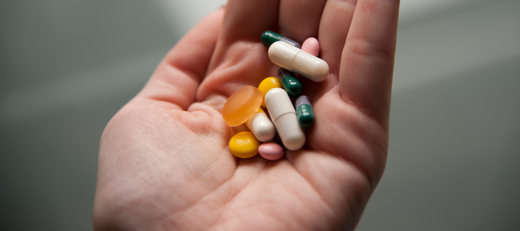
Many people notice unwanted weight gain after taking certain medications. This can be frustrating, especially if you are trying to maintain a healthy weight. In this blog post, you will learn which medications often lead to weight gain and what tips there are for combating this side effect.
How do I recognize whether it is body fat gain or water retention?
One of the first questions that arises with unwanted weight gain is whether it is an increase in body fat or water retention. These two phenomena have different causes and treatment options, which is why it is important to distinguish between them. Here are some clues to help you identify whether you are suffering more from fat gain or water retention.
Signs of body fat gain:
- Slowly progressive increase: Body fat gain usually happens gradually over weeks or months, often in conjunction with an increased calorie intake and/or a lack of physical activity.
- Change in body shape: Body fat typically distributes across the abdomen, hips, thighs, and buttocks. You may notice that your clothes fit tighter, especially around the waist. Your face may also appear rounder.
- Increased calorie intake or appetite: If you have noticed that your appetite has increased, which can be triggered by medications such as antidepressants or insulin, it is likely more of an increase in body fat.
- Fat accumulation in specific areas: Body fat is often stored in specific spots, whereas water retention tends to affect the body more generally.
Signs of water retention:
- Rapid weight gain: Water retention generally occurs within a short period – often within a few days or even hours. You may wake up in the morning with a noticeable difference.
- Swollen ankles, hands, or face: If you notice swelling, especially in the lower extremities (feet, ankles) or in the face, this may indicate water retention. Water retention is often symmetrical, e.g., both legs or feet are affected.
- Pitting edema: With water retention, you can press a dent into the skin that only slowly returns to normal. This is also referred to as "pitting edema."
- Weight fluctuations during the day: If you notice that your weight fluctuates significantly throughout the day, this is an indication of water retention. Fat gain usually does not show such dramatic fluctuations.
- Pregnancy, hormonal changes, or medications: Water retention can be caused by hormonal changes, corticosteroids, or certain blood pressure medications.
Medications that promote weight gain
There are many medications associated with the development of obesity. Preparations such as cortisone, antidepressants, and blood pressure pills like ACE inhibitors or bisoprolol can increase appetite, reduce the feeling of fullness, or influence metabolism, which can lead to unwanted weight gain. In particular, medications like insulin, which is used for type 2 diabetes, or neuroleptics and antidepressants have this side effect.
With water retention caused by medications such as diuretics (water pills), there may be an apparent weight gain that is not based on fatty tissue. If you notice significant weight gain, it is advisable to discuss potential adjustments with your treating physician or pharmacist to stop the weight gain without discontinuing the medication in an uncontrolled manner.
Antipsychotics
Antipsychotics, which are prescribed for mental illnesses such as schizophrenia or bipolar disorders, are another group of medications often associated with weight gain. Olanzapine or risperidone are particularly risky. These medications alter the metabolism of sugar and fats, which frequently leads to increased weight gain.
Cortisone (glucocorticoids)
Glucocorticoids—cortisone for short—a frequently prescribed medication for inflammation and autoimmune diseases, can cause enormous weight gain. This happens primarily through water retention and the increase in appetite, which often results in an increase in fat mass. Patients who take cortisone long-term often notice that they develop fat deposits in the abdominal and facial areas, which is known as a "moon face." If you are taking cortisone and notice weight gain, it is important to discuss this with your treating physician. A dietary change with plenty of vegetables and a targeted reduction of salt can help reduce water retention.
Important: Inhaled cortisone, as used for asthma, generally does not enter the systemic bloodstream but acts mainly locally in the bronchi and airways. Therefore, the risk of systemic weight gain from inhaled cortisone is significantly lower than with oral corticosteroids. This is because inhaled cortisone is administered in much lower doses and acts only where it is needed to reduce inflammation in the airways.
Beta-blockers or beta-receptor blockers
Beta-blockers, which are used for the treatment of high blood pressure and heart problems, such as metoprolol or atenolol, can lead to a reduction in energy expenditure and thus to weight gain.
Blood pressure pills (e.g., bisoprolol)
Blood pressure medications such as bisoprolol or ACE inhibitors can also lead to slight weight gain. These medications often slow down the metabolism and reduce physical energy, which can lead to an increase in body weight. A healthy diet with plenty of vegetables and regular physical activity can help to minimize these side effects. If you notice unexplained weight gain, it may also make sense to consult your physician here to discuss alternatives or adjustments.
Insulin and metabolism
Insulin is a hormone produced by the pancreas. It allows the body to transport glucose from food into the cells, where it is used as energy and lowers blood sugar. When glucose is not needed immediately, the body stores it in the form of fat. A high insulin level can therefore promote fat storage in the body, which increases the risk of obesity in the long term. Furthermore, insulin can trigger cravings, which often lead to overeating and consequently to weight gain. Particularly in people suffering from type 2 diabetes whose blood sugar levels are difficult to control due to too much insulin or an unsuitable diet, weight gain can occur quickly.
Antidepressants and neuroleptics
Antidepressants and neuroleptics are among the medications frequently associated with weight gain. Preparations such as amitriptyline or risperidone can significantly increase appetite, influence the sensation of fullness, and slow down the metabolism. This can lead to real weight gain, which is usually caused by increased fat accumulation. If you are dependent on these medications due to depression or other mental illnesses and are still seeking support for losing weight, you should ask your treating physician about alternatives. There are now preparations available that have a lower risk of promoting weight gain.

Overweight in depression: Causes and correlations
Depression and weight gain are closely linked and can influence one another. Many people who suffer from depression report unintended weight gain. This can be attributed both to the mental illness itself and to the medication treatment. Here are some of the main reasons why depression can cause weight gain:
Altered appetite and emotional eating
Depression can influence appetite in both directions. While some people suffer from a loss of appetite, others eat more than usual. Emotional eating, i.e., consuming food in response to negative feelings such as sadness, loneliness, or stress, is common in people with depression. Foods with high sugar and fat content are then preferred, which leads to weight gain in the long term.
Reduced physical activity
People suffering from depression often feel lethargic and have less energy, which leads them to move less. A lack of physical activity means that fewer calories are burned, which in turn can lead to weight gain. The combination of overeating and lack of exercise is a common cause of weight gain in people with depression.
Hormonal changes
Depression can also influence hormone production in the body, particularly the stress hormone cortisol. Chronically elevated cortisol levels can cause the body to store more fat, especially in the abdominal area. This is a biological reaction to stress, deeply anchored in our survival mechanisms, as the body attempts to build up energy reserves.
Sleep deprivation
Depression often leads to sleep disorders, which can also promote weight gain. Sleep deprivation impairs the hormones that regulate hunger and fullness. The hormone leptin, which signals fullness, decreases, while the hormone ghrelin, which causes hunger, increases. These hormonal changes can lead to eating more while feeling less satisfied.
Can weight gain from medication be prevented?
Yes, it is possible to at least reduce or prevent weight gain caused by medication, even though it is often difficult to avoid it entirely.
Here are some strategies that can help:
- 1. Dietary change
One of the most important measures to prevent weight gain from medication is a conscious and balanced diet. If you are taking medications that increase appetite or slow down metabolism, a calorie-conscious and nutrient-rich diet can help minimize the risk of weight gain. Foods with high fiber content and a low glycemic index, such as whole grain products, fruits, and vegetables, can keep blood sugar levels stable and reduce hunger.
- 2. Regular exercise
Physical activity can also help control weight. Exercise stimulates the metabolism and helps to burn off excess calories that may have been consumed due to medication-induced appetite increases. A combination of endurance training (like running or cycling) and strength training is ideal for both burning fat and building muscle mass, which increases the basal metabolic rate.
- 3. Medication adjustment
If you notice that a specific medication is causing weight gain, it is important to discuss this with your doctor. In many cases, there are alternative medications that have less impact on weight. Your doctor may also adjust the dosage or prescribe an additional medication to combat the weight gain.
- 4. Salt reduction for water retention
If the weight gain is caused by water retention (edema), for example by corticosteroids, reducing salt intake can help. Salt binds water in the body, and through a low-salt diet, you can reduce water retention. Regular exercise and wearing compression stockings can also help reduce swelling.
- 5. Avoiding emotional eating
Some medications, especially antidepressants or corticosteroids, can lead to mood swings that promote emotional eating. Here, it can help to find alternative strategies for stress management, such as meditation, yoga, or mindfulness exercises.
- 6. Monitoring weight
It is important to monitor your weight regularly if you are taking a medication that potentially causes weight gain. Early detection of changes allows for timely countermeasures.
- 7. Hydration
Adequate fluid intake (preferably water) supports kidney and liver function, which allows metabolic products to be excreted more effectively and water retention to be reduced. Furthermore, it can curb hunger, especially if this is intensified by medications
GLP-1 medications and their role in medication-related weight gain
These medications work by increasing the sensation of fullness and stabilizing blood sugar levels, which reduces cravings and helps with weight loss. Especially for patients who have gained weight due to medications like antidepressants, cortisone, or insulin, GLP-1 medications could be a supportive measure to stabilize or reduce weight.
Gaining weight from the pill: What you should know
The birth control pill has been used for decades by millions of women worldwide for contraception. However, many women report weight gain after starting the pill. But does the pill actually lead to more weight, and how does it happen?

How can the pill affect your body weight?
- Water retention: A common reason for weight gain in the first months after starting the pill is water retention. The pill contains estrogens that influence the water and salt balance and can cause the body to store more fluid. This often manifests in swelling, especially in the legs and feet, or a "bloated" feeling.
- Increased appetite: Certain hormonal changes caused by the pill can also increase appetite. In some women, this leads to an unconscious increase in calorie intake, which in the long term can lead to an increase in body fat.
- Altered fat distribution: Some women report a change in fat distribution in the body. This could be due to hormonal changes that influence fat metabolism and the way the body stores fat.
- Indirect effects: There are also indirect effects associated with weight gain. The pill can cause mood swings or stress, which leads some women to emotional eating. These factors can also contribute to weight gain without it being a direct side effect of the pill.
Is weight gain from the pill permanent?
For many women, the first pounds that appear on the scale after starting the pill are due to water retention. These usually disappear again after a few months once the body has become accustomed to the hormones. Long-term weight gain, especially due to fat gain, is more the exception and depends on individual factors such as diet and exercise.
Losing weight despite medication treatment
1. Dietary adjustment
A balanced, calorie-controlled diet is the first step in combating weight gain caused by medication. You should focus on nutrient-dense, low-calorie foods such as fruits, vegetables, and whole grains. Avoiding sugar and highly processed foods can also help.
Drinking plenty of water can help reduce hunger and diminish water retention caused by some medications. It is recommended to drink about two liters of water daily.
2. Regular exercise
Physical activity can help boost your metabolism and burn excess calories. Ideally, you should combine endurance training with strength training to build muscle mass, which increases your basal metabolic rate.
3. Stress management
Stress can exacerbate weight gain, especially if it leads to emotional eating. Practices such as meditation, yoga, or breathing exercises can help reduce stress and avoid binge eating.
Tips for avoiding weight gain from the pill:
- Keep an eye on exercise and diet: Regular physical activity and a balanced diet can help prevent unwanted weight gain.
- Consume less salt: To reduce water retention, it can help to lower your salt intake.
Consultation with your doctor
Be aware of the possibility that your medications may promote water retention. If you feel that your medication is causing significant weight gain, consult your attending physician. In some cases, they may be able to adjust the dosage or prescribe an alternative medication that is less likely to cause this side effect. You should never stop taking medication on your own.
Alternative methods of contraception
If you notice that you are reacting to a specific pill with weight gain, talk to your doctor about alternative contraceptive methods. There are low-dose pills or non-hormonal contraceptive methods that can reduce the risk of weight gain.
Conclusion: Why medications can cause weight gain and how you can prevent it
Medications can affect body weight in various ways. Some increase appetite, while others slow down the metabolism or cause the body to retain more water. With medications such as antipsychotics and corticosteroids in particular, sugar metabolism is altered, leading to increased fat storage. Others, like beta-blockers, lower heart rate and calorie consumption at rest.
Weight gain caused by medication active ingredients can be a distressing side effect, but there are ways to combat it. Through conscious nutrition, regular exercise, and stress management, you can minimize the effects. Always talk to your doctor before making any changes to your treatment plan to find the best solution for your health.
If you notice that you have gained weight, you should observe whether it is a gradual change in your body composition or if you suddenly appear "bloated." Both conditions require different approaches:
For body fat gain: A calorie-conscious diet and physical activity are key to reducing excess fat.
For water retention: A low-salt diet and regular exercise can help flush out excess fluid.
Sources:


