



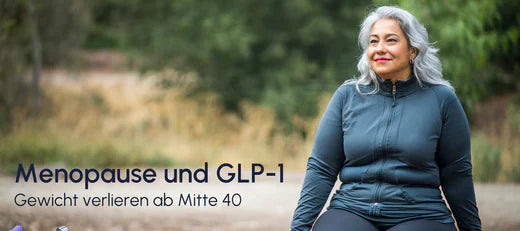
Menopause - a time of change and transformation. For many women, it marks the transition into a new phase of life. It is accompanied by a mix of emotions and physical changes.
Usually between the ages of 45 and 55, women notice an increase in their weight. But hot flashes, mood swings, and sleep disorders can also make losing weight during menopause even more difficult. SoLean explains why this is the case and how women can lose weight and feel comfortable during menopause. Because menopause does not mean having to surrender to your fate, but rather represents a phase of life with many opportunities for intensive self-care.
Why is it so hard to lose weight during menopause?
Various studies confirm that during menopause, body weight increases by an average of 0.5 kg per year. During this time, your body undergoes several complex hormonal changes that can affect your metabolism. Naturally, this has consequences.
- Loss of muscle mass: The decreased estrogen level during and after menopause affects muscle mass. The loss of skeletal muscle is about 3-8% every 10 years from the age of 30 and accelerates with increasing age. When muscle mass decreases, your basal metabolic rate (i.e., the amount of calories you burn without making an effort) also drops. This means: If you have the same appetite and eat the same amount, but burn less, you will gain weight. By the way, this applies not only to women but to everyone.
- Lethargy: Those who feel their muscle strength waning find exercise and physical activity more strenuous and, as a result, often move less. That is why physical activity, especially training that strengthens the muscles, is important now.
- Fat distribution: Estrogen plays a role in regulating fat metabolism and influences the distribution of adipose tissue in the body. A drop in estrogen levels can lead to a shift in fat distribution. In menopausal women, this can promote the accumulation of fat, especially in the abdominal area. This is also where the commonly used term "hormone belly" comes from. This so-called visceral fat, i.e., fat inside the abdomen (not directly under the skin), can be associated with an increased risk of cardiovascular diseases, diabetes, and other health problems and is difficult to reduce specifically.
- Menopausal symptoms: Mood swings and sleep disorders, for example, can lead to more appetite, cravings, and a desire for snacking and can significantly impair willpower.
In which phase of menopause does one gain the most weight?
Menopausal women gain around 0.5 kg per year. Especially at the beginning of menopause (also called perimenopause), when hormonal changes are in full swing, women experience increased weight gain. The same applies to the time after menopause has concluded (postmenopause), as muscle mass continues to decline due to age.
Can you lose weight during menopause?
Does your weight seem particularly stubborn during menopause? Don't worry! With lifestyle changes and medical support, weight loss is possible even during menopause.
7 tips for losing weight during menopause
There are numerous ways to lose weight during menopause. And not all of them have to do with your diet or exercise.
Protein- and fiber-rich foods
Ready meals, cake, and sweets taste delicious but don't keep you full for very long. The reason: These foods contain hardly any nutritional value and are therefore also referred to as "empty calories."
Foods with a high protein and fiber content, such as legumes, lean organic meat, fish, tofu, vegetables, and whole grains, on the other hand, keep you full for a long time and reduce cravings. Overall, a protein-rich diet during menopause can help maintain muscle mass, support the metabolism, control blood sugar levels, and promote bone health.
Exercise that is fun
Activities such as dance classes, swimming, hiking, or yoga can not only burn calories but also boost the metabolism and maintain muscle mass. The WHO (World Health Organization) recommends 150 – 300 minutes of moderate exercise per week as a healthy guideline.
The more fun the physical activity, the easier it is to stick with it. Furthermore, exercise can reduce stress, improve mood, and, according to one study, also alleviate menopausal symptoms such as hot flashes and night sweats.
Medical support with GLP-1
In many studies, it has been shown that GLP-1 medications can support people with severe overweight and obesity in effectively reducing body weight. Menopausal women with severe obesity for whom other measures have not been effective may therefore potentially benefit as well. Medications with this active ingredient, such as Wegovy or Saxenda, increase the feeling of satiety and reduce appetite.
However, this application must be checked by a doctor to assess GLP-1 side effects and rule out interactions with other medications. Based on your individual health conditions and treatment goals, a doctor at SoLean can assess the suitability of these medications. If there are no medical doubts, you will receive the prescription including medication delivery.
Intermittent fasting
Intermittent fasting can be an effective strategy for women in menopause who want to lose weight. How does intermittent fasting work during menopause? With the 16/8 method, i.e., you consume meals and snacks during 8 hours of the day and fast for the remaining 16 hours. In terms of weight loss, insulin sensitivity, and other health biomarkers, intermittent fasting is just as effective as continuous calorie restriction and can be considered an equivalent alternative. If you do not want to fast, you can consider the Mediterranean diet with few animal fats and plenty of plant-based foods. According to studies, this diet helps with the reduction of body fat and the maintenance of muscle mass.
More relaxation
Stress increases eating speed, delays satiety, and increases the desire for high-fat and sugary foods. Additionally, stress can cause the body to produce more of the hormone cortisol. This, in turn, can impair fat burning and lead to the body storing more fat in the abdomen. Relaxation techniques such as meditation, yoga, or breathing exercises can reduce stress, regulate the metabolism, increase well-being, and improve sleep quality.
Drink more water
Are you drinking enough water? You can easily check this by multiplying your body weight by 30. An example: With a body weight of 70 kg, the calculation results in 2.1 liters of water (70 x 30 = 2,100 [ml]). In the case of high outside temperatures, intense physical activity, and in the event of an illness such as a fever or diarrhea, you can increase the number and multiply your body weight by 35. Drinking enough water can stimulate the metabolism and increase calorie consumption. Furthermore, it prevents concentration problems and ensures a clear, fresh mind. For those who find water too boring, you can opt for "infused water" and add organic lemon, orange, or cucumber slices, berries, or fresh mint. By the way, lukewarm water can be utilized best by the body.
Adjust portion sizes
If the calorie requirement decreases during menopause but the amount of food remains the same, weight gain can easily occur. To counteract this effect, smaller plates and bowls can help to adjust portion sizes.
How do I get rid of my belly fat during menopause?
The fact that fat is stored primarily in the abdomen during menopause is due to hormonal changes. To reduce fat pads on the abdomen during menopause, it makes sense to approach weight loss holistically. A change in lifestyle and, if necessary, medical treatment can support this. At SoLean, you can have the suitability for such treatment checked medically by qualified doctors. They evaluate your prescription request via questionnaire and photos to avoid interactions with existing treatments and to ensure medical diligence.
Which sport is good for losing weight during menopause?
Strength training is an excellent way to prevent the loss of muscle mass with age and thus increase calorie consumption during and after exercise. Because muscles are like engines, they multiply your basal metabolic rate (calorie consumption at rest). You don't necessarily have to go to the gym for strength training. Bodyweight exercises such as lunges, planks, sit-ups, and push-ups are ways you can strengthen your muscles in the park, garden, or at home. Endurance sports such as jogging, dancing, cycling, walking, and swimming maintain your athletic performance during menopause, burn calories, and lower the risk of cardiovascular diseases.
What accelerates the metabolism during menopause?
A good way to stimulate the metabolism during menopause is through sports and exercises that maintain or build muscle mass. Muscles burn calories even when you are not currently exercising. In addition to a balanced diet, certain foods and drinks can activate your metabolism, such as green tea, water with lemon juice, and hot spices.
Which foods are particularly good during menopause?
Calcium-rich foods
Estrogen levels drop during menopause, which can increase the risk of osteoporosis. Calcium-rich foods such as dairy products, green leafy vegetables, almonds, and fish can maintain your bone health.
Foods with omega-3 fatty acids
Omega-3 fatty acids have anti-inflammatory properties and can lower cholesterol levels and reduce the risk of cardiovascular diseases. Fatty fish such as salmon, mackerel, and sardines, as well as flaxseed, chia seeds, and walnuts, are good sources of omega-3 fatty acids.
Fiber-rich foods
Fiber can help stabilize blood sugar levels, support digestion, and promote a feeling of satiety. Whole grain products, legumes, fruits, and vegetables are good sources of fiber.
Soy products
Soy products such as tofu, tempeh, and soy milk contain phytoestrogens, which act similarly to estrogen in the body and can alleviate some symptoms such as hot flashes and mood swings.
Foods with healthy fats
During menopause, the motto is: don't be afraid of fats! The healthy fats in avocado, olive oil, nuts, and seeds can help regulate the hormonal balance, support skin health, and reduce the risk of cardiovascular diseases.

What should you ideally not eat during menopause?
Sugary foods and drinks
A high sugar intake can lead to weight gain, fluctuating blood sugar levels, and decreased energy. Therefore, reduce your consumption of sugary foods and drinks such as sweets, soft drinks, pastries, and sweetened snacks.
Saturated fats and trans fats
These fats can promote inflammation in the body and increase the risk of cardiovascular diseases. Foods such as fried dishes, processed foods, margarine, and fatty meat contain these fats and should be avoided or limited.
Highly processed foods
Highly processed foods often contain artificial additives, preservatives, and high amounts of salt and sugar, which burden the metabolism and can contribute to weight gain and other health problems. The consumption of ready meals, snacks, and fast food is therefore intended to be an exception.
Alcohol
Alcohol can worsen hot flashes and sleep disorders, which frequently occur during menopause. Excessive alcohol consumption can also lead to weight gain and other health problems. So it's best to reduce it or, even better, avoid it entirely!
Caffeine
Caffeine can affect the hormonal balance and worsen symptoms such as hot flashes, sleep disorders, and mood swings. It is best to enjoy caffeinated drinks such as coffee, tea, and energy drinks in moderation and, according to one study, at least six hours before going to sleep and in the morning only 90-120 minutes after waking up, as early caffeine intake can lead to a significant cortisol spike and does not give the body the chance to wake up "on its own".
Conclusion: Losing weight after 50 takes patience, but it is possible
Hormonal changes during menopause can affect the metabolism and make losing weight more difficult. It is important to understand that the body changes during menopause and that losing weight may not be as fast or easy as it used to be. Remain patient, caring, and loving toward yourself and your body.
If you have great difficulty losing weight during menopause, hormone therapy and medication for weight loss can be an option. Whether medical treatment is suitable for you, for example with appetite-regulating medications such as Wegovy, must be medically assessed.
With the SoLean weight loss service, you can have a qualified doctor assess whether you meet the health requirements to receive a prescription weight loss medication.
Sources
- Turmeric and blood pressure - What does science say?: Plantomol
- Influence of menopause and hormone replacement therapy: Doc rero
- Results in weight loss with semaglutide: Jamanetwork
- Exercise for reducing menopausal symptoms: Elsevier
- Weight loss after menopause: mdpi
- Effects of caffeine on sleep: jcsm
-
Physical activity: WHO
-
Assessment of the cortisol response: pubmed


